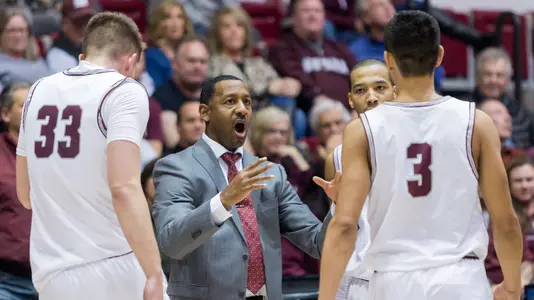
Photo by: John Sieber
Griz bucking the trend in era of transfer portal
10/14/2021 12:03:00 PM | Men's Basketball
Throughout the spring and summer, more than 1,600 NCAA Division I men's basketball players entered the transfer portal, representing more than one-third of all of the available Division-I scholarship spots. Further, according to research conducted by Sports Illustrated, roughly 40 percent of players who enter Division I out of high school will depart their initial school by the end of their sophomore season.
Under previous rules, men's basketball players who left a program and transferred to another Division-I school had to sit out a year as penalty. Under current regulation, though, the restriction is no longer in affect. Players across the country are transferring at an extraordinary rate, taking advantage of the NCAA's adopted regulations that allow players a one-time transfer exemption without penalty.
While it is affecting schools to large degrees, it hasn't been an issue at Montana.
Now in his eighth season at Montana, head coach Travis DeCuire has brought in 21 players who have then left the program prior to their eligibility exhausting. It may sound like a high number, but it's actually the third-fewest in the Big Sky Conference during that span.
The number becomes even more impressive when considering who is leaving the program.
Of the 21 players who have departed, just two were averaging more than 10.0 minutes per game during their final season with the Griz (the best percentage in the Big Sky during that span).
Five of the departed players were walk-ons and seven more did not start their careers at Montana. In total, DeCuire and his staff have signed just nine players out of high school who have then left the program, and one of them (Jared Samuelson) returned to finish his career at UM. Just one high-school signee during DeCuire's tenure has left Montana after ranking in the top-seven on the team for minutes played.
"We've always had guys who transfer out because they don't play," DeCuire said. "It's always been like that at Montana, as far back to when I played, and probably before that. We'll always have a couple guys leave because we recruit competitors, and no one wants to play 6 minutes as a junior or senior."
Every person who leaves a program has his own rationale, but unlike many mid-major teams who see some of their top talent poached by bigger brand-name schools, at Montana, the overwhelming majority of players who leave are just looking for opportunities to see more time on the floor.
Most of the time, that comes at a lower level.
Eleven of the 21 players who have left under DeCuire transferred to the Division II (7), NAIA (2) or junior college (2) levels. Six never played college basketball again. In fact, just two players have left Montana to directly sign a Division-I scholarship elsewhere.
DeCuire is cautious to think he's solved some kind of secret formula, knowing that things can change in an ever-evolving climate of college athletics. But he also remains confident in his approach and, until it becomes a problem, doesn't worry about the shifting landscape of the sport.
"Until they start leaving, I'm not too concerned about guys entering the transfer portal," DeCuire said. "When that happens, or when that becomes a trend for us, I will. But until then, we're going to keep doing what we've been doing."
And what is it that has helped the Griz keep their nucleus? Why do players want to stick things out, even when they see their friends across the country leave for different opportunities.
"I think it's because of the program that's been established here, and when I say that, I'm talking about the players, the staff, the community. As Grizzly Basketball continues to grow, the student-athletes can feel it and sense the direction that we're headed. They see the tradition. They understand the history. They feel the support.
"When they talk with friends who are playing college basketball, and when they're communicating about their experiences, I think they see that the grass isn't always greener."
Junior Kyle Owens has experienced that first hand.
"At a lot of places, I think the coaches get caught up in the basketball aspect," he said. "Our coaches, though, care about all of us. They care about our education, they care about what we're doing outside of basketball.
"It's not just coach-player but almost a big-brother connection, and I don't think it's like that a lot of places."
Owens committed to Montana during his senior season of high school, shortly after fellow Californians Josh Vazquez and Derrick Carter-Hollinger also pledged their allegiance to the Griz. The three regularly communicated during the recruiting process through a group chat, which started building a bond well before they ever got to Missoula.
Once they did arrive, the Griz were coming off of back-to-back Big Sky championships and NCAA tournament berths. Due to factors out of their control, the start to their college careers hasn't gone how they envisioned, missing the 2020 postseason due to COVID-19 before an altered sophomore season played before no fans.
But their passion for Montana, which developed the first time they visited, hasn't waned. And as much as their teammates and coaches play a role in that, so too does Griz Nation.
"The fans are a huge part of what makes this place special," Owens said. "We love the fans, and know they love us. We just try to put on a show and play hard when we have them out here."
Added Vazquez: "It's a different level of energy that they bring. They give you the juice that you need, and it's not like that most places."
The Griz are optimistic about their chances of making a run again in 2022, and a large part of that comes with the continuity they have on the floor. After some early-season turnover last fall, Montana found its rhythm midseason and hit its stride late in the year, winning six consecutive games and advancing to the Big Sky tournament semifinals despite playing as the No. 6 seed.
"We've been through some things as a group, and collectively we know what we want," Vazquez said. "We know what we're trying to achieve and we're focused on the same goal."
Over the final four weeks of 2020-21 season, once Montana's roster formalized, Montana played its best basketball of the season. Even bigger, Montana returns its top-seven rotation players from that time, including its top-seven scorers and top-six rebounders. Overall, the Grizzlies bring back 91.8 percent of their minutes, 94.4 percent of their scoring, 90.9 percent of their rebounding and 93.8 percent of their steals from the group that finished the season with Montana.
"I think it's huge to bring back what we do," DeCuire said. "Any time you can return all of your rotation guys, there is more opportunity for growth. The spring and summer was used to build off of the connection we already had, rather than starting from the bottom."
Under previous rules, men's basketball players who left a program and transferred to another Division-I school had to sit out a year as penalty. Under current regulation, though, the restriction is no longer in affect. Players across the country are transferring at an extraordinary rate, taking advantage of the NCAA's adopted regulations that allow players a one-time transfer exemption without penalty.
While it is affecting schools to large degrees, it hasn't been an issue at Montana.
Now in his eighth season at Montana, head coach Travis DeCuire has brought in 21 players who have then left the program prior to their eligibility exhausting. It may sound like a high number, but it's actually the third-fewest in the Big Sky Conference during that span.
The number becomes even more impressive when considering who is leaving the program.
Of the 21 players who have departed, just two were averaging more than 10.0 minutes per game during their final season with the Griz (the best percentage in the Big Sky during that span).
Five of the departed players were walk-ons and seven more did not start their careers at Montana. In total, DeCuire and his staff have signed just nine players out of high school who have then left the program, and one of them (Jared Samuelson) returned to finish his career at UM. Just one high-school signee during DeCuire's tenure has left Montana after ranking in the top-seven on the team for minutes played.
"We've always had guys who transfer out because they don't play," DeCuire said. "It's always been like that at Montana, as far back to when I played, and probably before that. We'll always have a couple guys leave because we recruit competitors, and no one wants to play 6 minutes as a junior or senior."
Every person who leaves a program has his own rationale, but unlike many mid-major teams who see some of their top talent poached by bigger brand-name schools, at Montana, the overwhelming majority of players who leave are just looking for opportunities to see more time on the floor.
Most of the time, that comes at a lower level.
Eleven of the 21 players who have left under DeCuire transferred to the Division II (7), NAIA (2) or junior college (2) levels. Six never played college basketball again. In fact, just two players have left Montana to directly sign a Division-I scholarship elsewhere.
DeCuire is cautious to think he's solved some kind of secret formula, knowing that things can change in an ever-evolving climate of college athletics. But he also remains confident in his approach and, until it becomes a problem, doesn't worry about the shifting landscape of the sport.
"Until they start leaving, I'm not too concerned about guys entering the transfer portal," DeCuire said. "When that happens, or when that becomes a trend for us, I will. But until then, we're going to keep doing what we've been doing."
And what is it that has helped the Griz keep their nucleus? Why do players want to stick things out, even when they see their friends across the country leave for different opportunities.
"I think it's because of the program that's been established here, and when I say that, I'm talking about the players, the staff, the community. As Grizzly Basketball continues to grow, the student-athletes can feel it and sense the direction that we're headed. They see the tradition. They understand the history. They feel the support.
"When they talk with friends who are playing college basketball, and when they're communicating about their experiences, I think they see that the grass isn't always greener."
Junior Kyle Owens has experienced that first hand.
"At a lot of places, I think the coaches get caught up in the basketball aspect," he said. "Our coaches, though, care about all of us. They care about our education, they care about what we're doing outside of basketball.
"It's not just coach-player but almost a big-brother connection, and I don't think it's like that a lot of places."
Owens committed to Montana during his senior season of high school, shortly after fellow Californians Josh Vazquez and Derrick Carter-Hollinger also pledged their allegiance to the Griz. The three regularly communicated during the recruiting process through a group chat, which started building a bond well before they ever got to Missoula.
Once they did arrive, the Griz were coming off of back-to-back Big Sky championships and NCAA tournament berths. Due to factors out of their control, the start to their college careers hasn't gone how they envisioned, missing the 2020 postseason due to COVID-19 before an altered sophomore season played before no fans.
But their passion for Montana, which developed the first time they visited, hasn't waned. And as much as their teammates and coaches play a role in that, so too does Griz Nation.
"The fans are a huge part of what makes this place special," Owens said. "We love the fans, and know they love us. We just try to put on a show and play hard when we have them out here."
Added Vazquez: "It's a different level of energy that they bring. They give you the juice that you need, and it's not like that most places."
The Griz are optimistic about their chances of making a run again in 2022, and a large part of that comes with the continuity they have on the floor. After some early-season turnover last fall, Montana found its rhythm midseason and hit its stride late in the year, winning six consecutive games and advancing to the Big Sky tournament semifinals despite playing as the No. 6 seed.
"We've been through some things as a group, and collectively we know what we want," Vazquez said. "We know what we're trying to achieve and we're focused on the same goal."
Over the final four weeks of 2020-21 season, once Montana's roster formalized, Montana played its best basketball of the season. Even bigger, Montana returns its top-seven rotation players from that time, including its top-seven scorers and top-six rebounders. Overall, the Grizzlies bring back 91.8 percent of their minutes, 94.4 percent of their scoring, 90.9 percent of their rebounding and 93.8 percent of their steals from the group that finished the season with Montana.
"I think it's huge to bring back what we do," DeCuire said. "Any time you can return all of your rotation guys, there is more opportunity for growth. The spring and summer was used to build off of the connection we already had, rather than starting from the bottom."
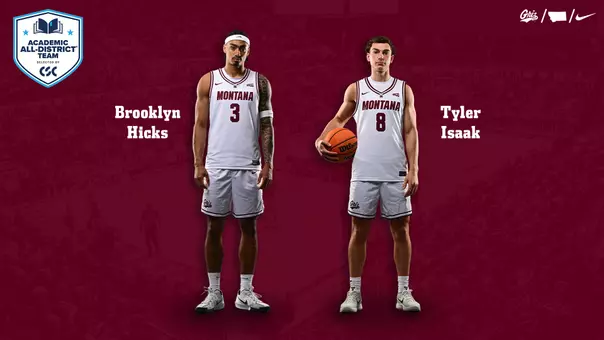
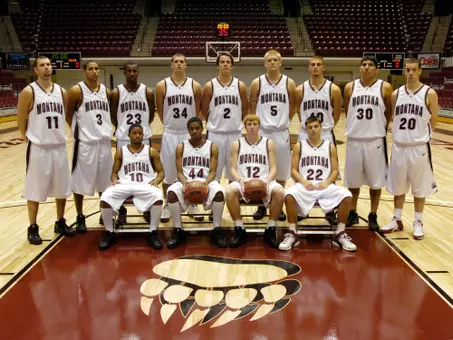
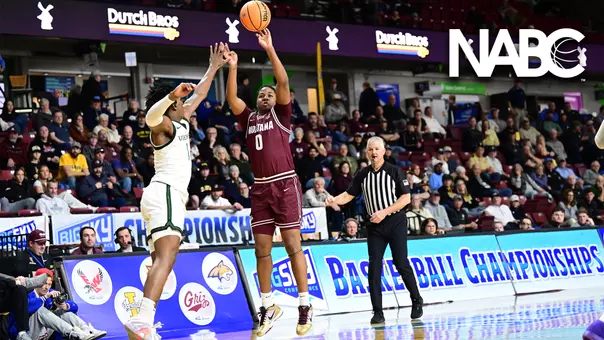

Players Mentioned

F
/ Men's Basketball
F
/ Men's Basketball
G
/ Men's Basketball2006 Griz Basketball Flashback: NCAA Tournament Win Over Nevada
Monday, March 30
Name As Many 90's NBA Players: Griz Basketball
Monday, March 30
Dairy Challenge: Griz Basketball
Monday, March 30
Name As Many Dinosaurs: Griz Basketball
Monday, March 30